
Ricerca dei parchi
In virtù del loro stato speciale, i parchi stanno acquistando una crescente importanza come regioni di riferimento e di preferenza per la ricerca comparata. Oltre a sostenere e coordinare la ricerca, incentiviamo la collaborazione nazionale e internazionale, così come il trasferimento delle conoscenze scientifiche tra i parchi, tra l'altro attraverso conferenze e pubblicazioni e il database dei progetti di ricerca.
Questi compiti sono strategicamente accompagnati dal gruppo di accompagnamento sulla ricerca dei parchi.
Notizie dalla ricerca dei parchi
- Nel laboratorio reale del Jurapark Aargau (2023-2026), gli stakeholder interessati dei 31 comuni del Jurapark sperimentano misure per rafforzare e promuovere lo sviluppo sostenibile a livello locale insieme a ricercatori e ricercatrici di varie istituzioni del Politecnico Federale. Sono previsti cinque esperimenti reali sui temi dell'acqua, dell'adattamento al clima e dell'economia circolare.
- Nell'ambito del Monitoraggio del Paesaggio Svizzera (LABES 2), anche le persone nei parchi svizzeri vengono intervistate in merito al loro atteggiamento nei confronti del paesaggio (LABES parchi). I risultati sono disponibili nel rapporto WSL (tedesco).
- Il progetto Valpar.ch studia i valori dell'infrastruttura ecologica in 4 parchi pilota - in modo interdisciplinare e partecipativo. I primi risultati dei moduli possono essere trovati sulla homepage di Valpar.ch.
- I parchi bernesi partecipano al progetto Nature Park Stations tramite la Wyss Academy, Hub Bern. Le stazioni dei parchi naturali hanno lo scopo di rendere la sostenibilità tangibile e concreta nei parchi naturali bernesi e di ancorarla nella coscienza degli ospiti e della popolazione.

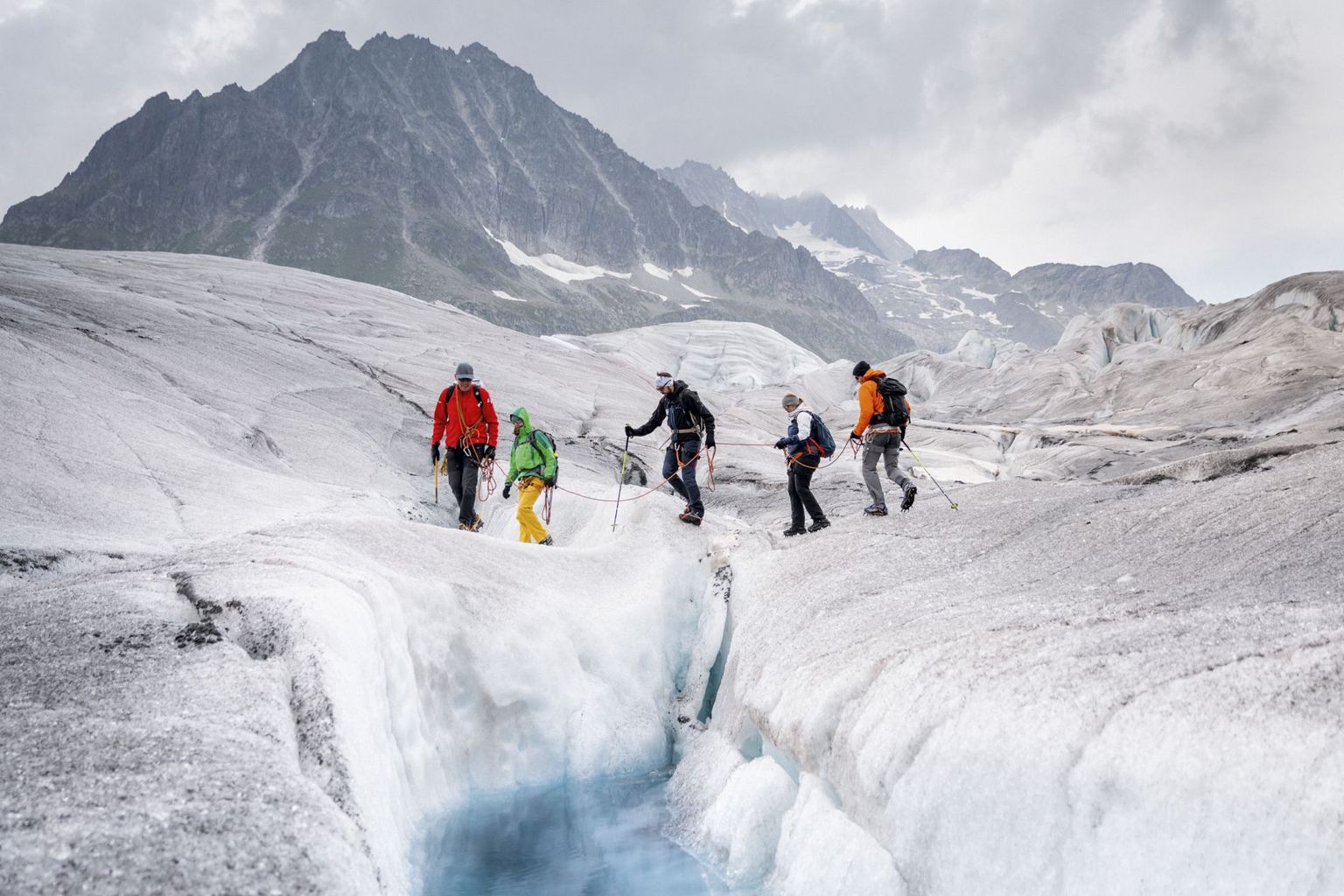
Research in, around and about Swiss parks and designated UNESCO areas
The is happy to be of assistance in addressing overarching questions relating to coordination, topics and existing work. It provides support in the selection of regions and parks and in contacting those responsible for research in parks. Whenever you are researching in, around or about a Swiss park, a biosphere reserve, a world heritage site or a geopark, we ask you to please contact the park management. Contact details of those responsible for research in each area can be most easily found through the Swiss Park Research Database: Simply click on the respective park on the map. This activates details about the park and contact information. You can find this and further information in our leaflet.
Mercato per lavori di studenti/progetti di ricerca
The Park Research topic catalog (2012) presents research topics of overarching interest to several parks and protected areas.
On the occasion of the 6th Conference Park Research 2025, the Swiss Parks Network has complied an overview of open research questions on tourism and local recreation from a practitioner’s perspective.
Seed money / soutien aux projets
Voici une liste des instruments de financement existants dans le domaine thématique FoLAP.
Jusqu'en 2019, 4x 5000 CHF de seed money par an ont été accordés pour des projets de recherche sur les parcs (voir Liste). Depuis l'intégration dans le FoLAP, les appels à cofinancement ont été lancés sur une base thématique dans l'ensemble du FoLAP. Les projets de recherche sur les parcs sont également les bienvenus ici !Le prochain call sera lancé en 2025.
Contatto
Dr. Elisa Frank
SCNAT
Forum Paesaggio, Alpi, Parchi (FoLAP)
Casa delle Accademie
Casella postale
3001 Berna
News on Swiss Park Research
- In the Jurapark Aargau Real-world Lab (2023–2026) , interested steakeholders from the 31 Jurapark municipalities are experimenting with measures to strengthen and promote sustainable development locally, together with researchers from various ETH institutions.Several real-life experiments are being conducted on the topics of water, climate adaptation, and the circular economy.
- The ValPar.CH research project investigated the values of ecological infrastructure in four pilot parks – in an interdisciplinary and participatory approach. The synthesis report «Vielfältige Werte der Natur» (2025) presents the key findings and recommendations oft he research project. The next step will be to translate the findings into concrete thematic guidelines for cantons and municipalities.
- As part of the Swiss landscape monitoring program (LABES 2) people in Swiss parks were also surveyed about their attitudes to the landscape. The results are published in the WSL report.
- The Bernese parks took part in the Nature Park Stations project via the Wyss Academy, Hub Bern. Nature Park Stations are intended to make sustainability accessible and tangible in the Bernese nature parks and to anchor it in the consciousness of guests and the population.