
Swiss Parks Research
Swiss Parks of national significance are characterised by attractive landscapes, rich biodiversity and valuable cultural assets. Swiss parks are model regions showcasing sustainable development in which ecological, social and economic interests are accorded equal standing and support, and are ideal reference and preference areas for research. In addition to comparative research, they also play a significant role in applied, transdisciplinary and transformative research.
Swiss Parks Research is affiliated to the Forum Landscape, Alps, Parks (FoLAP). On behalf of the Federal Office for the Environment, it supports and coordinates research in, around, and about Swiss parks and designated UNESCO areas (world natural heritage sites, biosphere reserves, geoparks) at the national level by networking researchers and and those responsible for research in the parks, identifying relevant issues and archiving research projects in a public database. Every two years, Swiss Park Research also organizes a conference to bring together the scientific and practitioner community involved in research projects in Swiss parks and to promote exchange. These tasks receive strategic support from the Monitoring Group Park Research.

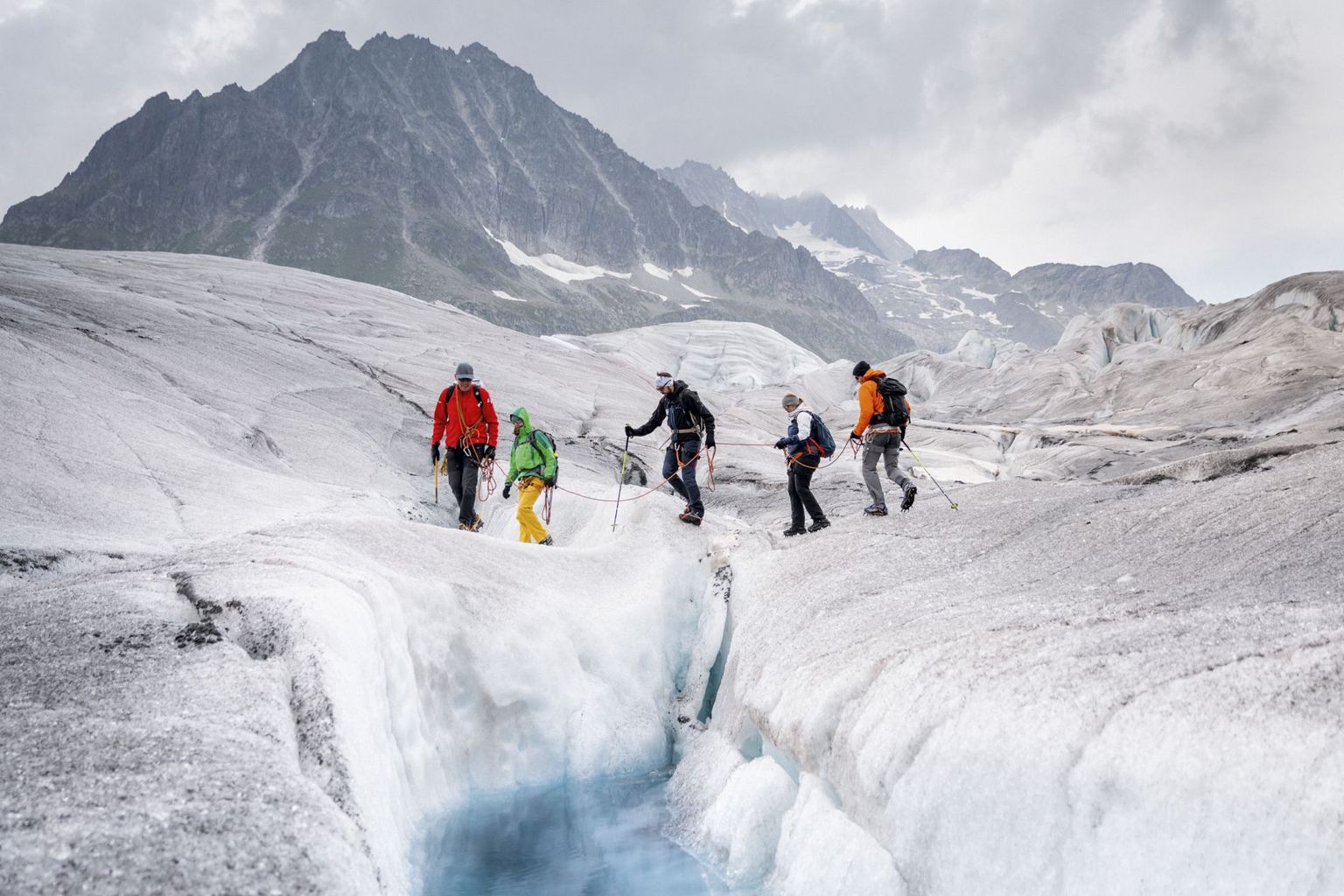
Research in, around and about Swiss parks and designated UNESCO areas
The is happy to be of assistance in addressing overarching questions relating to coordination, topics and existing work. It provides support in the selection of regions and parks and in contacting those responsible for research in parks. Whenever you are researching in, around or about a Swiss park, a biosphere reserve, a world heritage site or a geopark, we ask you to please contact the park management. Contact details of those responsible for research in each area can be most easily found through the Swiss Park Research Database: Simply click on the respective park on the map. This activates details about the park and contact information. You can find this and further information in our leaflet.
Topics – Marketplace and Inspiration
The Park Research topic catalog (2012) presents research topics of overarching interest to several parks and protected areas.
On the occasion of the 6th Conference Park Research 2025, the Swiss Parks Network has complied an overview of open research questions on tourism and local recreation from a practitioner’s perspective.
Support of projects
FoLAP specifically promotes projects related to its core topics. Project support offers the target group an additional financing option and makes an appropriate contribution to implementation. Start-up financing also makes it possible to apply for funds to develop a project proposal for submission to other funding bodies. Swiss institutions involved in research, planning, administration, and practical application, as well as private individuals, are eligible to participate. Cooperation between research and practice is encouraged. The call for proposals is issued once a year. Projects related to parks are welcome.
Here you will find a list of existing funding oppuortunities in the landscape, alps, parcs subject area.
Contact
Dr. Elisa Frank
SCNAT
Forum Landscape, Alps, Parks (FoLAP)
House of Academies
PO Box
3001 Bern
Switzerland
News on Swiss Park Research
- In the Jurapark Aargau Real-world Lab (2023–2026) , interested steakeholders from the 31 Jurapark municipalities are experimenting with measures to strengthen and promote sustainable development locally, together with researchers from various ETH institutions.Several real-life experiments are being conducted on the topics of water, climate adaptation, and the circular economy.
- The ValPar.CH research project investigated the values of ecological infrastructure in four pilot parks – in an interdisciplinary and participatory approach. The synthesis report «Vielfältige Werte der Natur» (2025) presents the key findings and recommendations oft he research project. The next step will be to translate the findings into concrete thematic guidelines for cantons and municipalities.
- As part of the Swiss landscape monitoring program (LABES 2) people in Swiss parks were also surveyed about their attitudes to the landscape. The results are published in the WSL report.
- The Bernese parks took part in the Nature Park Stations project via the Wyss Academy, Hub Bern. Nature Park Stations are intended to make sustainability accessible and tangible in the Bernese nature parks and to anchor it in the consciousness of guests and the population.